Robert Cowley, The Killing season (Osprey, 2026)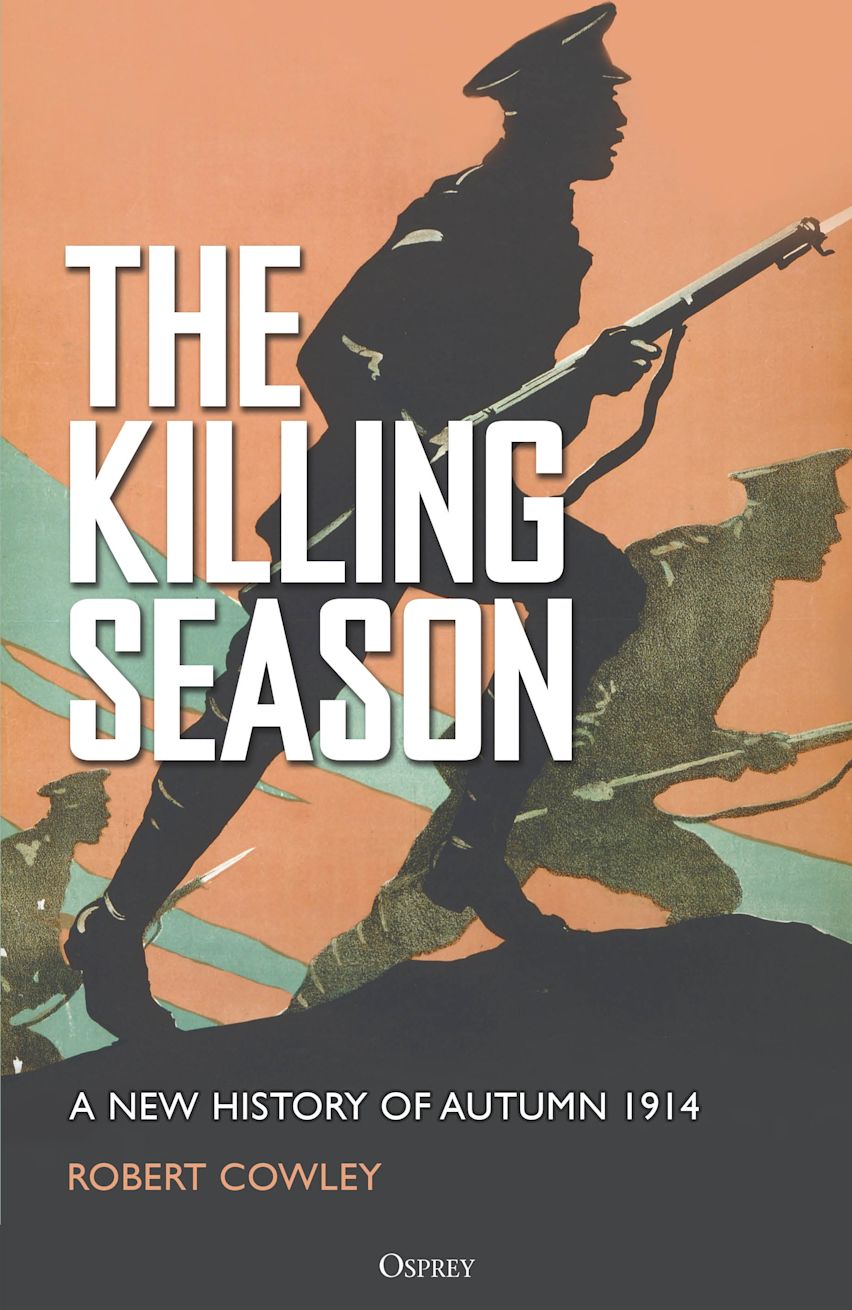
Ask a reasonably informed reader when the greatest carnage occurred during the Great War, and they will probably reply, the Somme or Passchendaele or some other late war meat grinder. In this riveting narrative history, Robert Cowley highlights the opening months of the war as the most blood-soaked. He slays other dragons too along the way, some of which might ruffle traditional feathers.
Much of Cowley’s narrative is familiar to even the most casual student of the war. He begins with the Schlieffen Plan, that massive wheeling invasion through Belgium into northern France, outflanking the French, and storming into Paris. But it did not go to plan: the Belgians proved stoic in their resistance, the British Expeditionary Force equally so, the French sacrificed again and again, and ultimately, the Germans were not up to the task. Cowley tracks all of that from the opening battles through the race to the sea as the Germans sought to anchor their attack on the channel ports, and he closes with the desperate battle to control the town of Ypres.
Cowley tells his story through multiple lenses at all levels of the battlefield. The operational decision-makers are all represented: Foch, French, and Falkenhayn etc. At the opposite end of the chain, the horror of WWI combat is on full display as men rush into battle to be mercilessly cut down. It is the middle-ranking officers, making battle-field decisions while displaying sometimes extraordinary courage, that provide the thread of experience from high command to the common soldier. Their losses were egregious, particularly for the Germans whose units could barely function without them, argues Cowley. Bravery and futility run through Cowley’s account, which is set in an unrelentingly hostile environment, both natural and manufactured.
Anyone approaching Cowley’s book in expectation of reading about an open battlefield and a ‘clean’ war will find themselves rapidly disillusioned. Many of the horrors that made the Great War unique were already present in late 1914, but it is the seemingly senseless slaughter this early in the war that Cowley brings out. The Killing Season is an exceptional and important study of the opening chapter of the Great War and essential reading for students of the war and military history enthusiasts alike.